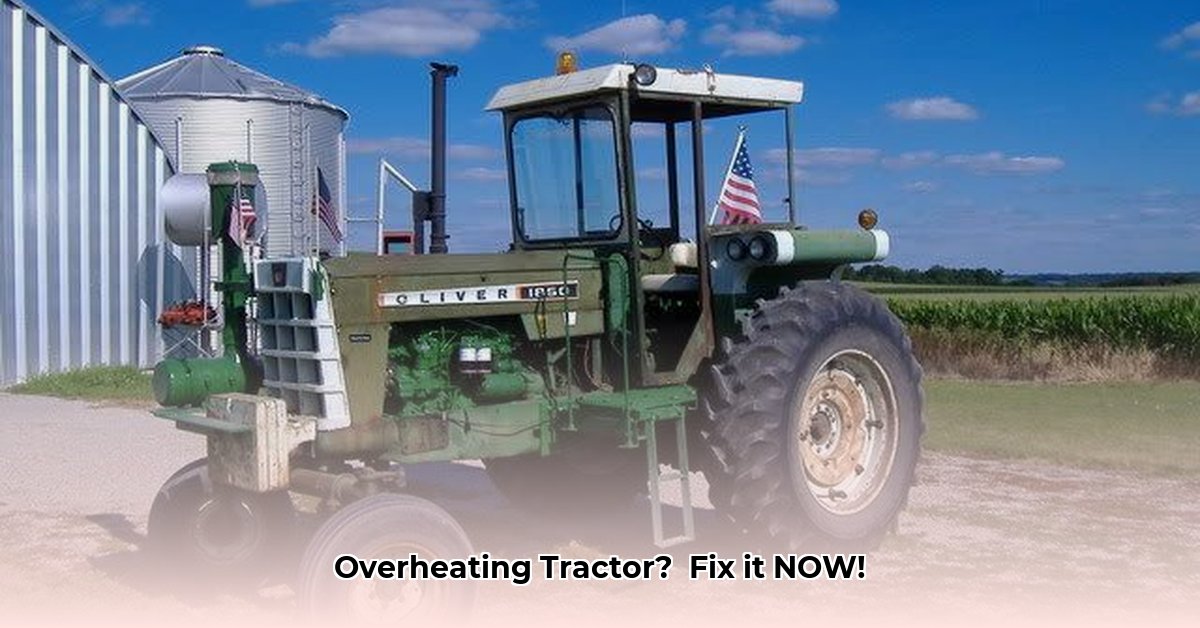
Overheating is a serious threat to your tractor's longevity and your productivity. This guide provides a step-by-step approach to diagnosing, preventing, and mitigating overheating, ensuring your tractor stays cool and efficient. We'll cover common causes, simple fixes, and preventative measures to keep you in the field.
Understanding Tractor Overheating: The Cooling System's Role
Tractor overheating typically stems from problems within the cooling system. Imagine this system as your tractor's circulatory system—it's responsible for constantly circulating coolant (a mixture of water and antifreeze) to absorb heat from the engine. This heated coolant then travels to the radiator, where a fan helps release the heat into the surrounding air. Any disruption in this process—from a clogged radiator to a failing water pump—can cause overheating.
Step-by-Step Troubleshooting: A Cool-Headed Approach
Let's systematically troubleshoot your overheating tractor. Remember to always allow the engine to cool completely before working on any hot components.
Check the Coolant Level: Carefully inspect the coolant reservoir once the engine is cool. Low coolant often signals a leak. Refill with the correct type of coolant as specified in your tractor's manual. A persistent drop in coolant level despite refilling requires further investigation.
Inspect the Radiator: Examine your radiator for clogs. Dust, debris, leaves, and mud can severely restrict airflow, preventing efficient heat dissipation. Use a garden hose to gently flush out any obstructions, ensuring optimal airflow. Consider using a radiator cleaner for stubborn clogs.
Examine Hoses and Clamps: Carefully check all coolant hoses for cracks, bulges, or leaks. Loose or damaged clamps are a common source of coolant leaks. Replace damaged hoses immediately; a small leak can quickly escalate into a larger problem.
Check the Thermostat: The thermostat regulates coolant flow. If stuck closed, coolant won't circulate properly, leading to overheating. A visual inspection might reveal a stuck or damaged thermostat, requiring replacement.
Inspect the Water Pump: The water pump ensures coolant circulation. Listen for unusual noises (whining, grinding) indicating a failing pump. Check the drive belt for proper tension; a slipping belt can reduce the pump's efficiency.
Check the Cooling Fan: Verify that the cooling fan is functional and spins freely when the engine is running. A malfunctioning fan significantly reduces cooling efficiency. It may need repair or replacement.
Verify Temperature Gauge Accuracy: Sometimes, the issue isn't the cooling system itself, but a malfunctioning temperature gauge giving inaccurate readings. A replacement gauge may resolve the perceived problem. However, if other symptoms exist, further investigation is crucial.
Preventative Maintenance: Keeping Your Tractor Cool
Regular maintenance is your best defense against overheating. These preventative measures safeguard your tractor's cooling system:
Regular Radiator Cleaning: Clean your radiator frequently, particularly after working in dusty conditions. This simple maintenance task dramatically improves cooling efficiency.
Coolant Flushes: Periodically flush your cooling system to remove contaminants and mineral deposits that can impair heat transfer. Consult your owner’s manual for the recommended frequency.
Hose and Clamp Inspections: Regularly inspect hoses for wear and tear, replacing any damaged components. Checking clamps for tightness is also important to prevent leaks.
Adhere to Maintenance Schedules: Follow the manufacturer's recommended maintenance schedule. This schedule includes crucial tasks that directly impact cooling system health and prevents costly repairs.
Coolant Considerations: Choosing the Right Mix
The optimal coolant mixture is crucial. A 50/50 blend of coolant and water is frequently recommended, offering both antifreeze protection and effective heat transfer. However, always consult your tractor's owner's manual for the manufacturer’s specific recommendation. Using the wrong coolant mixture can negatively affect its performance.
When to Call a Professional: Knowing Your Limits
Some problems require professional attention. If, after following these steps, your tractor still overheats, it's time to consult a qualified mechanic. Persistent overheating could indicate a serious issue, such as a blown head gasket, requiring specialized tools and expertise.
Overheating Causes and Solutions: A Summary Table
| Problem | Possible Causes | Solutions |
|---|---|---|
| Tractor Overheating | Clogged radiator, low coolant, damaged hoses | Clean radiator, check and top off coolant, replace damaged hoses |
| Tractor Overheating | Malfunctioning water pump, faulty thermostat | Repair or replace water pump, replace thermostat |
| Tractor Overheating | Cooling fan failure, faulty temperature gauge | Repair or replace cooling fan, replace temperature gauge |
| Tractor Overheating | Head gasket failure, other major engine issues | Requires professional diagnosis and repair |
By proactively addressing potential problems and performing regular maintenance, you can efficiently keep your tractor running cool, maximizing productivity and minimizing downtime. Remember, a cool tractor is a productive tractor!